Aging well after 60 is about more than following a list of healthy habits. Since the law of April 8, 2024, known as the “Ageing Well” law, France has established a departmental public autonomy service to coordinate information, guidance and access to rights for older people. This organizational change is reshaping how prevention, healthcare and support come together in everyday life.
The issue goes beyond individual advice: maintaining independence after 60 also depends on the availability of professionals and local support networks that can step in when a problem arises.
Identifying frailty: six functions to monitor before independence is lost
The ICOPE framework, promoted by the World Health Organization, distinguishes early identification of frailty from the formal assessment of dependency. It focuses on six functions: mobility, nutrition, vision, hearing, cognition and psychological well-being. A positive screening result does not determine a person’s GIR rating or eligibility for APA. It signals a change that warrants attention.
This distinction matters. Many older people and their loved ones mistake an early warning sign (reduced mobility or difficulty reading labels, for example) for a diagnosis of dependency. Screening aims to prompt early action, before the situation deteriorates.
Advice for seniors on En Pleine Santé can help you better understand these signs and identify preventive measures suited to each function.
The problem arises after screening. Someone who notices hearing loss or balance problems needs to be referred to a qualified professional who is available and within reach. Without follow-up after screening, prevention remains theoretical.
When screening leads nowhere: the real barrier to seniors’ independence
Prevention professionals highlight an issue that conventional guides often overlook: continuity between identifying a frailty, providing guidance and gaining effective access to a service. In rural areas and some mid-sized towns, finding an orthoptist, geriatrician or physiotherapist specializing in fall prevention can take weeks.
A 65-year-old who notices difficulty getting up from a low chair knows they should seek advice. The question is not whether they recognize the problem, but whether help is available.
The departmental public autonomy service
The law of April 8, 2024 created this service to address that challenge. Its role is to centralize information and coordinate care pathways at the departmental level. The goal is to ensure that anyone who identifies a problem knows whom to contact, even if their regular doctor is not immediately available.
In practice, the rollout of this service depends on each department. The best first step is still to contact your local Information and Coordination Center (CLIC) or Municipal Social Action Center (CCAS), which are the most direct points of contact.
Fall prevention after 60: more than just physical exercise
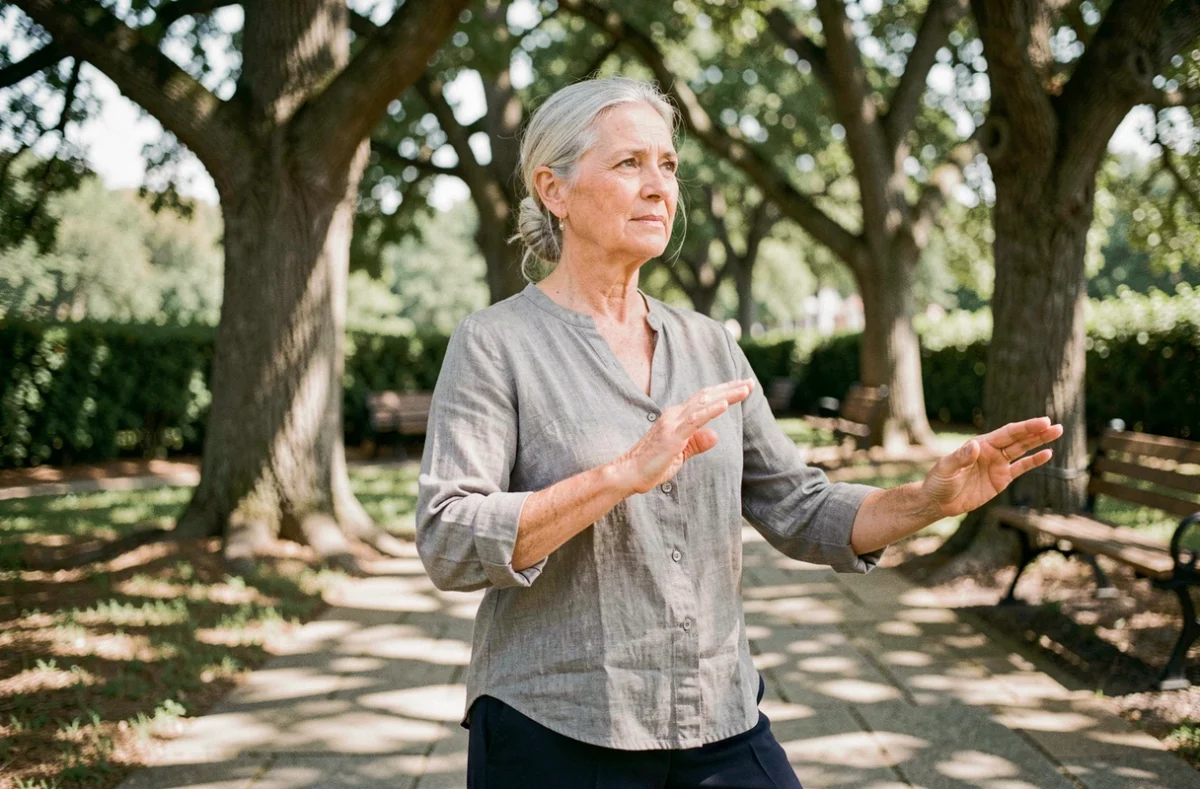
Fall prevention is often reduced to advice about physical activity. Walking, tai chi and balance exercises do help protect mobility. But the home and living environment are at least as important.
Poor lighting in a hallway, a loose rug, stairs without a handrail or a shower threshold that is too high are all tangible risk factors. Access to shops, public transport and social activities also affects whether people continue going out every day, helping them maintain their walking ability and balance.
- Check the lighting in every room, especially between the bedroom and bathroom, where most household falls happen at night
- Remove trip hazards from the floor (electrical cords, rugs without non-slip backing, items stored in walkways)
- Install grab bars in the bathroom and consider a walk-in shower if your budget allows
- Assess how far away shops and public transport are and how accessible they are, since geographic isolation reduces outings and accelerates loss of mobility
These modifications are not just about comfort. They are a direct part of prevention, just like physical exercise.
Nutrition and sleep after 60: two factors that are often poorly managed
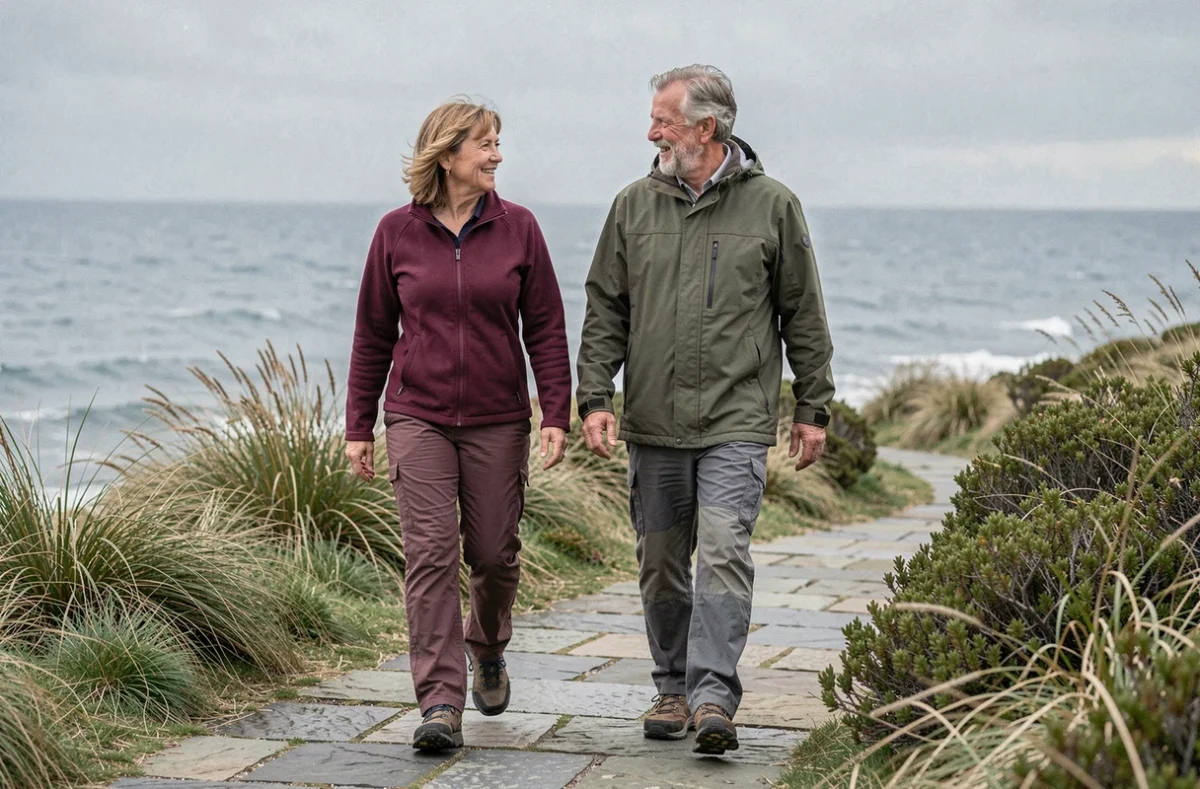
After 60, the energy required to perform the same physical activity increases. Protein needs remain high, and may even exceed those of younger adults, to maintain muscle mass. Cutting portion sizes for fear of gaining weight is a common mistake that accelerates sarcopenia (age-related loss of muscle mass and strength).
A simple guideline: include a source of protein (eggs, fish, meat or legumes) with every main meal, not just lunch. Since people tend to feel full sooner as they age, adding a protein-rich snack (yogurt, fromage blanc or a handful of almonds) can help meet nutritional needs without forcing yourself to eat more at mealtimes.
Sleep changes, and that’s normal
Sleep naturally changes after 60: periods of deep sleep become shorter, and waking during the night becomes more frequent. Interrupted sleep does not necessarily mean you are not getting enough sleep. Problems arise when people compensate by staying in bed longer, which reduces overall sleep quality.
Keeping a regular wake-up time, limiting naps to 20 minutes and getting natural light in the morning are more effective adjustments than taking sleeping pills, whose side effects (daytime drowsiness and increased risk of falls) can worsen the very problems they are meant to solve.
Rights of care home residents: what changed under the 2024 law
The “Ageing Well” law is not only about supporting people to remain at home. It has strengthened specific rights for nursing home residents and people staying in healthcare facilities. These include the right to receive visitors every day without having to give advance notice, except for public health or public order reasons.
This provision may seem symbolic. Yet it addresses situations documented during the health crisis, when residents were cut off from all contact with their loved ones for weeks. Maintaining social connections in care facilities is now a right, not a favor granted by management.
Maintaining health and independence after 60 involves both individual measures (nutrition, physical activity and sleep) and collective support (access to healthcare, home adaptations and coordination between services). Identifying frailty only matters if it leads to practical guidance. The difference between simply growing older and ageing well depends on this link between the warning sign and effective support.