A sofa that has lost its appeal, walls that feel too neutral, a room that no longer has a clear identity. The desire to change your decor often comes from a disconnect between what you see every day and how you’d like to feel at home. Transforming your interior doesn’t require a big budget or major renovations: a few thoughtful choices about lighting, materials and furniture layout can change the feel of an entire room.
Air quality and material choices: the decor factor we often overlook
Have you ever noticed a lingering smell after repainting a room? It comes from volatile organic compounds (VOCs) released by some paints. In a living room or bedroom where you spend several hours a day, choosing paint with low VOC emissions helps protect indoor air quality while transforming the room’s look and feel.
The same principle applies to reclaimed or second-hand furniture. A vintage find can add character, but materials such as old beams or tiles may need technical checks for fire resistance, impact resistance and suitability for their intended use. These checks can extend the project preparation time, so it’s best to factor them in before starting a full makeover with reclaimed furniture.
Before buying a tin of paint or salvaging a material, check its environmental labels. This simple habit can help you create a healthier home without compromising on color or finish.

Refresh your decor without buying new furniture
The usual response to wanting a change is to go shopping: a new piece of furniture, a decorative object, a light fixture. Before you get to that point, take a look at what you already own. Among the decorating tips from Conseils Bricolage, this approach comes up often: working with what you have creates more personal results than an impulse buy.
Rearrange your furniture to redefine the space
Rearranging a living room takes an hour and costs nothing. Positioning a sofa perpendicular to the wall instead of against it creates a natural divide between a lounging area and a dining space. How you move through a room changes how spacious it feels far more than its actual floor area.
Try experimenting with symmetry, too. Two armchairs facing each other with a coffee table between them give the living room a sense of structure. An asymmetrical arrangement, on the other hand—an armchair at an angle, a lamp set off to one side—adds movement.
Textiles and slipcovers: the quickest way to make a change
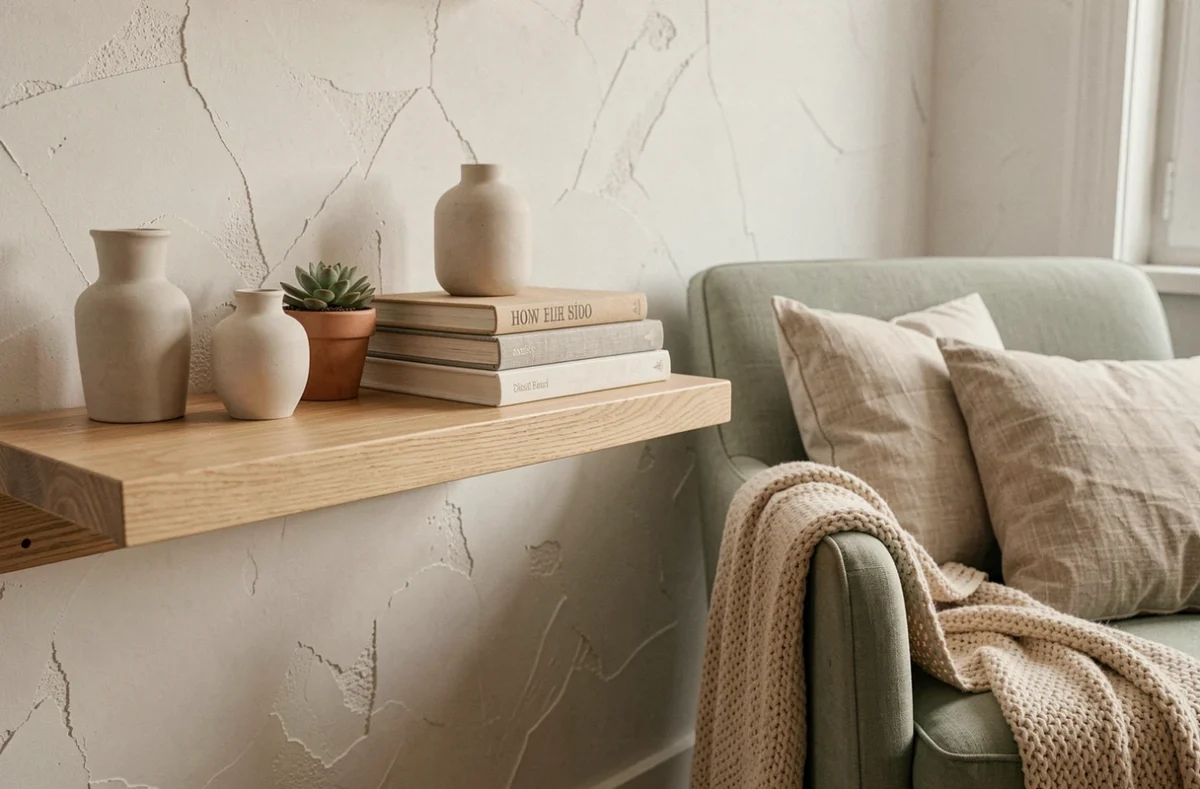
Changing your cushions, sofa throw or curtains can transform a room’s color palette in minutes. Choose one dominant shade and two complementary colors. For example, use natural linen as a base, add a touch of terracotta and finish with sage green accents.
Textiles also absorb sound and soften the acoustics in rooms with hard floors. A thick rug in a tiled living room reduces echo and makes the space feel warmer—an effect color alone can’t achieve.
Natural and artificial light: how to balance both
Light transforms the way a space feels more than any decorative object. A poorly lit room seems smaller and less welcoming, even when it’s beautifully decorated.
The basic principle is to use multiple light sources at different heights. A single ceiling light can flatten a room. Add a table lamp, a reading lamp by the sofa and, if you like, some indirect lighting (a string of lights behind a piece of furniture or an LED strip under a shelf). Each light source creates a zone, and together these zones add depth to a living room or bedroom.
Adjust your lighting for thermal comfort
In a room that gets a lot of sun, your decor can also help keep things comfortable in summer. Thick linen curtains filter the light while reducing heat. Light-colored walls reflect light instead of absorbing it. These choices are as much about adapting your home to the climate as they are about aesthetics.
Here are a few things to check to balance light and comfort in every room:
- Window orientation: a south-facing room calls for light colors and sheer fabrics, while a north-facing room can better accommodate deeper shades that create a warmer feel
- Bulb color temperature: choose warm tones for a living room or bedroom to create a welcoming atmosphere in the evening
- Mirror placement: positioned opposite a window, a mirror reflects natural light toward the back of the room without using any energy
Accent walls and plants: two high-impact ways to refresh a room
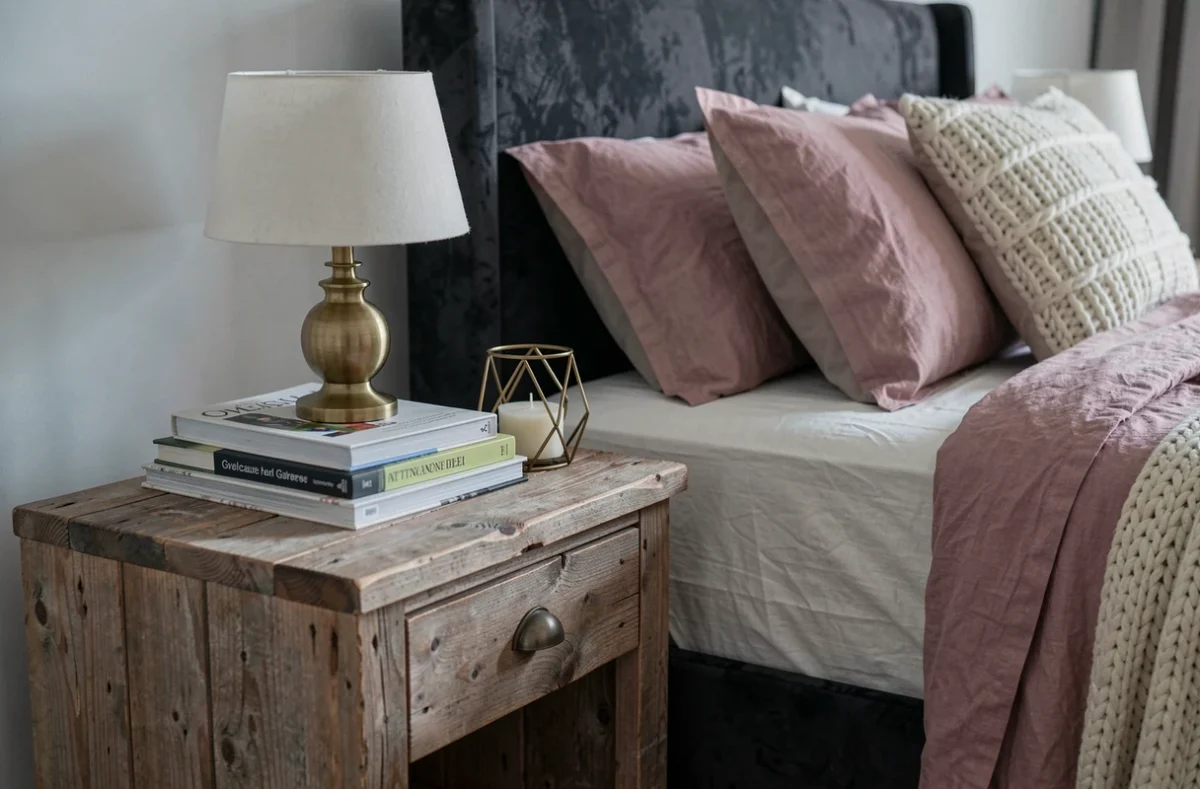
Painting just one wall in a bold color can transform an entire room. An accent wall acts as a focal point: it draws the eye and gives the space structure. Choose the wall behind the main piece of furniture, such as the headboard in a bedroom or the TV stand in a living room.
A dark accent wall can make a narrow room feel deeper. A midnight blue or forest green wall at the far end creates the illusion of distance. By contrast, a bright color on a side wall can make the room feel wider.
When choosing houseplants, think in terms of scale rather than quantity. One large floor plant, such as a ficus or monstera, makes more of a decorative impact than five small succulents lined up on a shelf. Group smaller plants on a tray or serving trolley to create a cohesive display.
Here are a few combinations that work without demanding much upkeep:
- Hanging pothos in a bright bathroom: it tolerates humidity and trails down the wall
- Snake plant in a bedroom: needs very little watering, and its striking foliage brings structure to an empty corner
- Pilea on a desk or shelf: compact and distinctive, and easy to propagate and give as a gift
Accent walls and plants have one thing in common: they bring living texture or bold color into an otherwise uniform space. Decorating is about creating contrast between what catches the eye and what lets it rest.
Every room has its own constraints when it comes to light, space and use. The most lasting solutions work with these constraints rather than ignoring them. The right curtains, a rearranged piece of furniture or a fresh coat of low-emission paint can do more to change the feel of your home than a whole catalog of new decor.