
Some human groups maintain transnational networks without ever renouncing their original identity, while integrating into several host societies. The official census sometimes ignores their presence or underestimates their influence on social, economic, and political dynamics.
Contradictory legislations frame their status depending on the countries, oscillating between openness, distrust, and instrumentalization. Their collective action often crosses borders, altering local balances and introducing new logics of solidarity.
The diaspora: origins, definitions, and evolutions in history
At the roots of the word diaspora is ancient Greece. It is there that the original meaning of “dispersion” of a people outside their lands was forged. Centuries have passed, but the concept has thickened, circulating from the fall of Constantinople to the rise of contemporary migrations, gaining new nuances along the way thanks to social sciences. Even today, the definition of the diaspora is the subject of debates. For some, it is merely a gathering of exiles. Others emphasize the strength of ties with the country of origin, the circulation of memories, and the ability to invent real transnational spaces. Geographer Michel Bruneau summarizes it: a diaspora is the dispersion, the vivid memory of the territory of origin, and the animation of networks that connect here and there. These are three dimensions that intersect and reinforce each other. Europe, and France in particular, offer both ancient and powerful examples. Paris is not just a host city: it is a crossroads where diasporas organize, create solidarities, develop economic networks, without ever cutting the thread that connects them to their land of origin. Their role goes far beyond mere identity: these communities promote the circulation of ideas, know-how, and nourish debates. Over time, the notion of diaspora changes its face. Researchers today outline a more open definition: the diaspora is no longer just the story of trauma or exile, but that of a capacity to reinvent itself, to cross borders, to transform the societies that host them. The definition of the diaspora becomes that of a movement, made of ruptures but also of recompositions, mobilities, and ties woven over several generations.
What roles do diasporas play in the transformation of contemporary societies?
Diasporas act as silent yet impactful forces in the recomposition of the global society. Wherever they settle, they create transnational networks that connect the host country to their country of origin. Paris, New York, Toronto, Lausanne: everywhere, these networks facilitate the circulation of ideas, capital, and perspectives. The boundary of the nation-state blurs, in favor of transnational spaces where belonging is redefined. However, the diaspora is not limited to maintaining ties with its origins. It influences relations between states. Academics like Pierre Rageau or Robin Cohen have shown this well: diasporas engage in international relations, mobilize on civil and social rights, and make their voices heard on the stage of human rights. They become, sometimes quietly, key players in the international relations of diasporas. Here are three levers through which diasporas mark their influence:
- Innovation and entrepreneurship: they energize the economy, invest, create unprecedented markets, launch start-ups in both South Asia and North America.
- Cultural connections: they spread languages, customs, traditions, enriching cultural diversity and contributing to informal diplomacy.
- Political mobilization: through associations, lobbying groups, or transnational movements, they influence political decisions, here and there.
The networks and mobilities of the diaspora challenge traditional notions of sovereignty, integration, and belonging. It is impossible to reduce the phenomenon to migratory numbers: it profoundly shapes current developments, whether in the realm of civil rights or social innovation.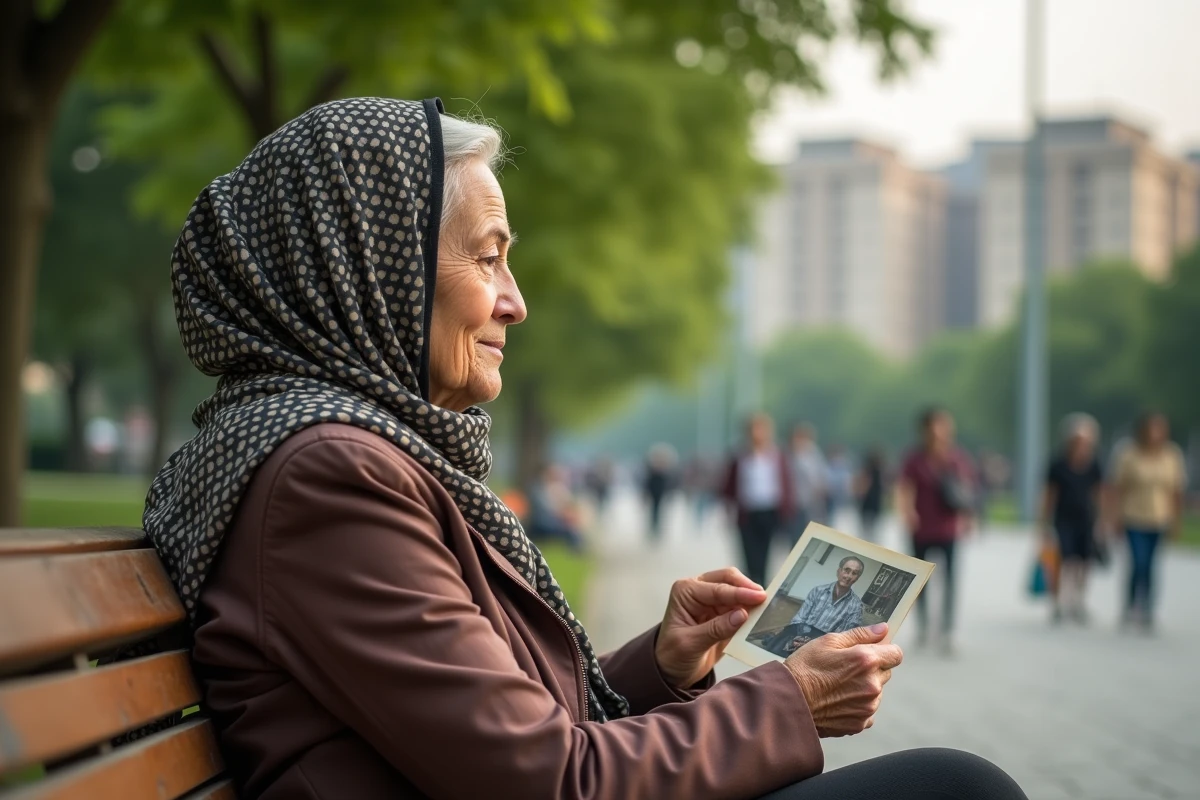
Case studies: when the diaspora becomes a key player on the global stage
The Jewish diaspora illustrates, for nearly two thousand years, the strength of a structured transnational network. On every continent, it maintains a memory of the territory of origin while actively engaging in the life of host societies. In New York or Paris, community institutions, solidarity associations, and educational networks demonstrate an ability to combine integration with maintaining ties to the country of origin. The Indian diaspora offers a different, more contemporary perspective. In the UK, Canada, and the United States, it relies on powerful economic networks and strong family solidarity. Here, the concept of diaspora takes on a new dimension: support for students, massive financial transfers to India, effective lobbying in international bodies. Indian migrations, studied notably by Glick Schiller Nina, change the contours of belonging. The African diaspora highlights another type of dynamic. Between Paris, London, and Montpellier, it builds a transnational space made up of associations engaged in defending civil rights, cultural valorization, and supporting local development. This associative fabric, documented by Gabriel Sheffer and the CNRS, shows how a diaspora can influence public policies at both local and international levels.
These examples illustrate the main areas of action of diasporas:
- Political mobilization: the ability to influence integration policies and diplomatic relations.
- Circulation of knowledge: sharing skills, disseminating innovations and strategic information.
- Economic support: remittances, investments in infrastructure, supporting business creation.
The Armenian diaspora adds its own stone to the edifice. Organized around economic and cultural networks, it connects Marseille to Los Angeles, mobilizes resources and energies, defends collective memory while embracing multiple identities simultaneously, without contradiction. Diasporas, far from being mere bridges between two worlds, contribute to writing the future of the societies where they take root. Who can truly say where their influence ends?