After 60, social isolation increases the risk of cognitive decline by 20% according to several European studies. However, very active senior groups show levels of well-being above the national average. Community networks report a spike in registrations for group workshops among those over 65, despite an offer often deemed poorly adapted.
Some community engagement methods, tested on a small scale, show unexpected results on physical and mental vitality. Intergenerational sharing, still marginal, is generating renewed interest among aging specialists.
Aging while staying active: a crucial challenge for flourishing after 60
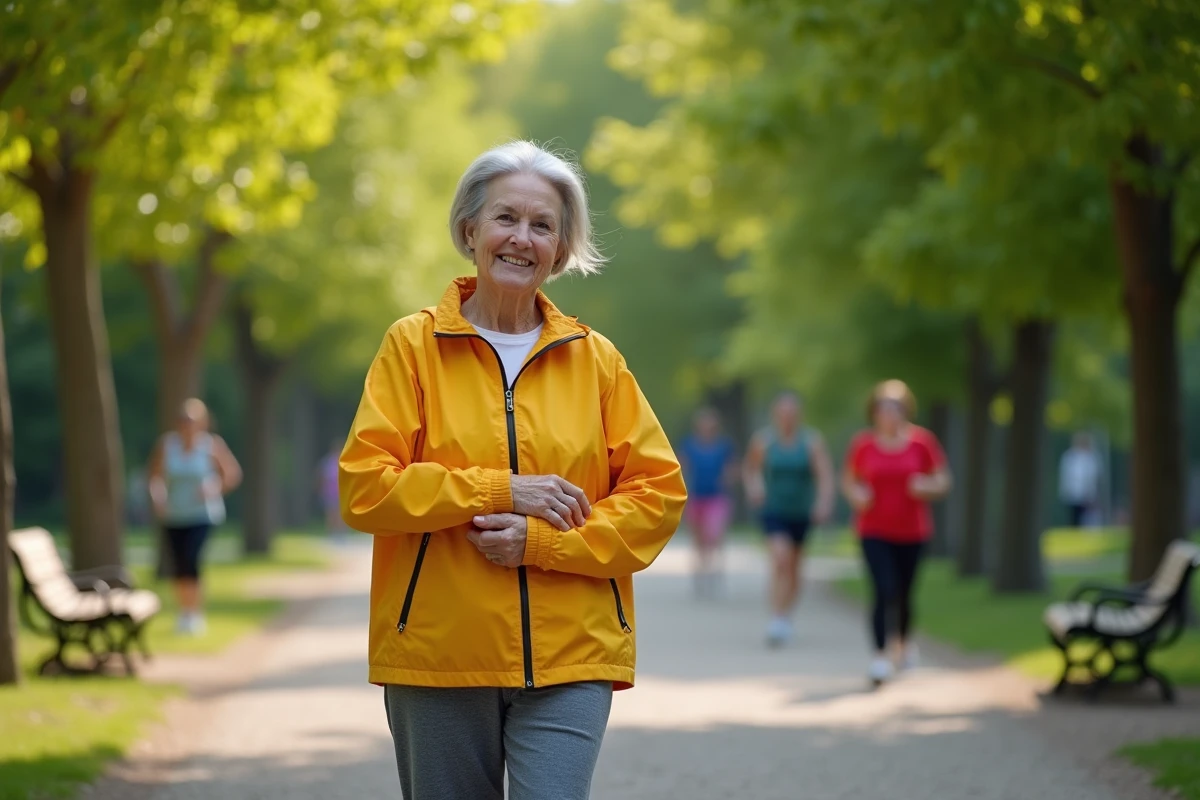
Staying active past sixty is not just about maintaining physical strength. It is also a concrete way to defend one’s autonomy, keep one’s memory sharp, and preserve overall balance. Research data is unequivocal: engaging in appropriate physical activity significantly reduces the risks of loss of autonomy and cognitive decline. Even a few minutes of daily exercises, combining stretching and muscle strengthening, help maintain protective muscle mass and limit the frequency of falls.
For seniors, health is built with a holistic perspective. Physical activity is part of a lifestyle where regularity, listening to one’s body, and adaptation are priorities. There is no question of forcing oneself: brisk walking, gentle swimming, or simple home exercises often prove effective in the long term, without harshness.
Here are the main benefits of an adapted physical routine:
- Improved balance to limit the occurrence of falls
- Cognitive stimulation through motor coordination and attention
- Preservation of mental health thanks to the release of endorphins
To go further, turning to reliable resources like seniorstudio.org can be helpful. It offers suitable exercises, tips for staying autonomous, and ideas to structure daily life. The preventive dynamic is the guiding thread for those who wish to make the most of each day after 60.
How to maintain rich and varied social connections in daily life?
Social life, for seniors, does much more than fill the calendar: it structures existence, makes it warmer, and preserves moral balance. Cultivating a network of vibrant relationships strengthens quality of life and counters the feeling of isolation that can set in with age. Collective activities are fantastic creators of bonds. Reading workshops, walking groups, board games, or community engagement: every opportunity for meeting nourishes the mind, stimulates curiosity, and fosters friendship.
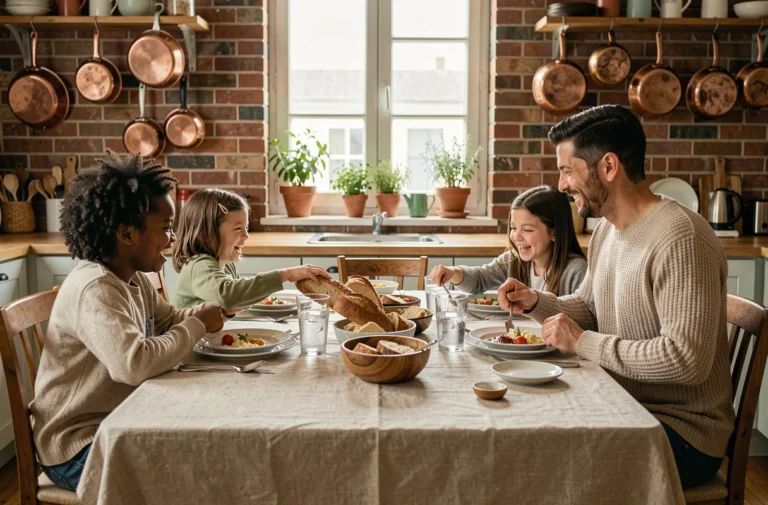
Participating in activities designed for all ages also strengthens intergenerational bonds. Interactions with younger people, joint projects, festive moments create a solid and invigorating social fabric. Associations, cultural centers, and municipalities multiply proposals throughout the year, opening the door to a rich and accessible social life.
Here are some examples of activities that promote exchange and connection:
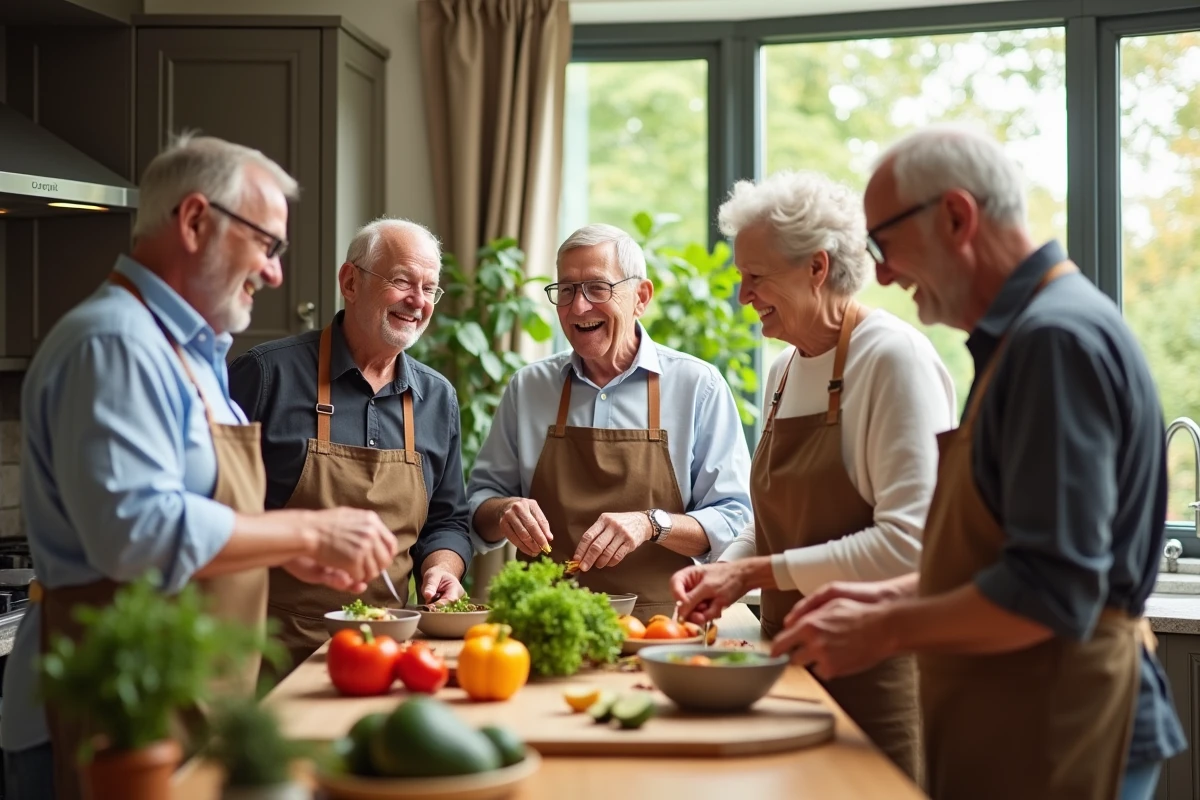
- Creative or culinary workshops to share know-how
- Cultural outings or group sports activities
- Reading clubs or correspondence to maintain discussion
Access to these services and aids encourages closeness, supports a friendly dynamic, and rhythms daily life. Exchanging, getting involved, trying new collective activities: this is where the secret of a vibrant social network lies, a pillar of active and fulfilled maturity.
Concrete tips for taking care of your body and mind every day
Taking care of oneself, day after day, requires some attention and true will. For seniors, balance comes as much from diet as from movement. A varied diet, rich in fruits and vegetables, combined with protein intake, fuels vitality and helps prevent falls. Taking care of one’s body also means focusing on gentle exercises: walking, stretching, muscle strengthening. A few well-placed minutes each day are often enough to support muscle mass and promote autonomy in daily tasks. According to caregivers, integrating these movements into the morning or evening routine stimulates memory and mental health while reinforcing overall balance.
Some practical tips to preserve your vitality:
- Prioritize a balanced diet, favoring fruits, vegetables, calcium, and vitamin D
- Maintain regular physical activity, even moderate, to sustain mobility and tone
- Do not hesitate to seek available aids, such as the personalized autonomy allowance (APA), to facilitate daily organization
Do not neglect mental health: stimulating the mind, scheduling rest periods, exchanging with others, or engaging in enjoyable activities strengthen confidence and joy of living. On these solid foundations, navigating the years becomes an experience full of clarity and joy. Far from being a parenthesis, mature age is then invented through discoveries, encounters, and renewed small pleasures.