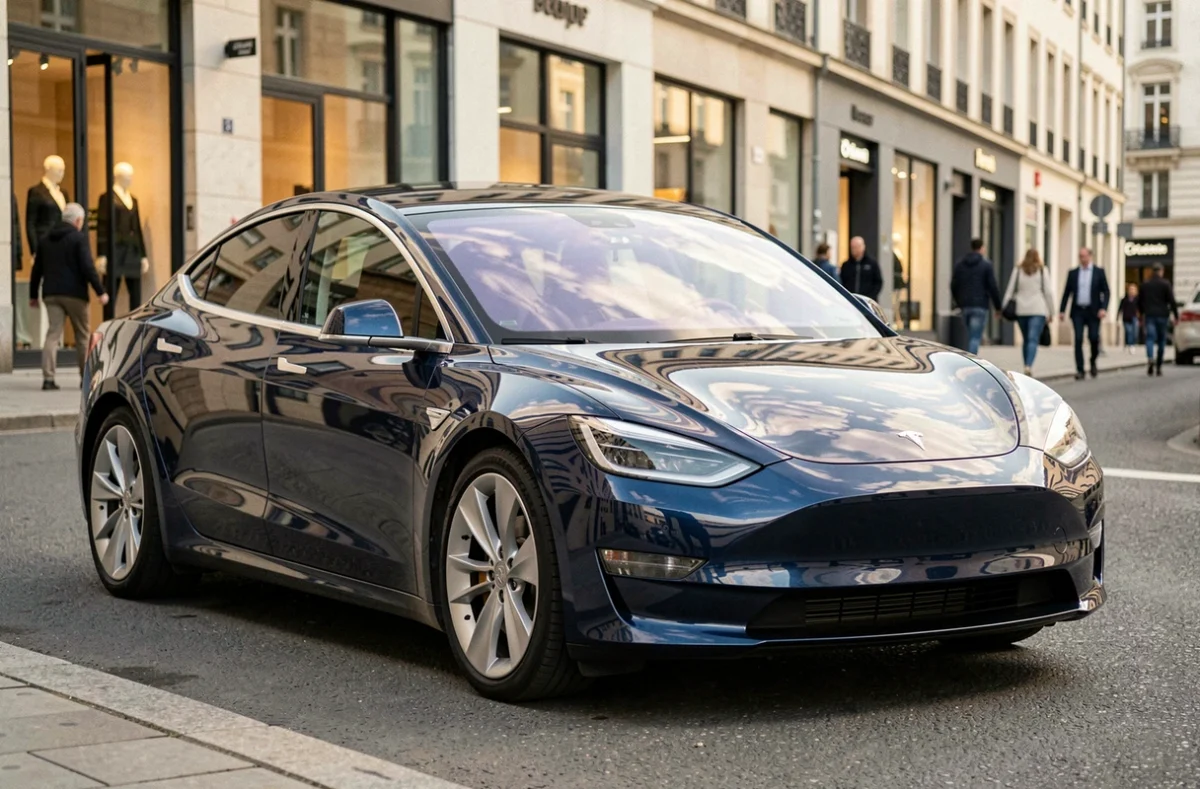
Electric vehicles have matched gasoline vehicles in market share for new registrations in Europe, accounting for about one-fifth of the European market for battery-powered vehicles. This shift not only reflects a change in propulsion systems: it reveals a car market that is structurally dependent on public support mechanisms, the sustainability of which remains uncertain.
Energy Savings Certificates and the End of the Bonus: The True Engine of French Electrification
Since July 2025, energy savings certificates have funded the scheme that replaces the ecological bonus in France. This technical shift modifies the very logic of support: it moves from direct budgetary aid to a market mechanism linked to the obligations of energy companies.
Several organizations in the automotive sector are already warning about the consequences of a sudden removal of this funding, due to the lack of an anticipated replacement mechanism. The French growth of electric vehicles remains heavily dependent on these aids. We observe that without them, a significant share of the models sold today would exceed the price acceptability threshold for households.
The question is not whether the aids stimulate sales; that is obvious. The problem is that they create an artificial market where manufacturers calibrate their prices based on the available aid, not on the actual cost of production. When the aid disappears, the list price does not mechanically decrease: it remains tied to the manufacturer’s margin. Car enthusiasts who follow the evolution of the sector will find information on team-auto-passion.com covering these market dynamics over the months.
Tightening of the Ecological Bonus: Production Footprint and Eligible Models
France is preparing to tighten the ecological bonus based on the carbon footprint of production of vehicles. This reform remains at the project stage, with no effective date or definitive list of affected models. The principle is clear: to condition the aid not only on emissions during use but on the overall manufacturing balance.
This criterion effectively penalizes vehicles assembled in countries where the energy mix relies heavily on coal. Chinese manufacturers, who offer electric SUVs at aggressive prices in the European market, would be the first affected.
In contrast, models produced in Europe with locally manufactured batteries would gain relative competitiveness. We recommend that buyers monitor the publication of the eligibility grid: a vehicle ordered before the reform takes effect could benefit from a bonus that the same model would lose a few months later.
- The environmental score will include the origin of battery materials and the energy mix of the assembly site
- High-range plug-in hybrids could be reintegrated under conditions into the scope of aids
- Light electric utility vehicles, a growing segment, are subject to a distinct treatment that has yet to be arbitrated
European Electric Vehicle Market: Decline of Thermal and Resistance of Hybrid
Pure thermal engines are significantly declining in the European market. Battery electric vehicles have reached about one-fifth of market share, but conventional hybrids remain the majority propulsion system in volume. This data is often overlooked in analyses that only oppose thermal and electric.
The non-rechargeable hybrid serves as a transition for buyers who want to reduce their consumption without managing the constraint of recharging. Its acquisition cost remains lower than that of a pure electric vehicle, and the traditional network of gas stations suits it perfectly.
The electric SUV segment concentrates most of the premium launches. Volkswagen, BMW, and Korean manufacturers are multiplying models in this category, with increasing ranges and architectures on dedicated platforms. However, the average price of a new electric SUV in Europe remains significantly higher than that of its hybrid equivalent.
Recalls and Reliability: The Case of the Renault Symbioz Plug-in Hybrid
A recall risk related to the high-voltage battery concerns the Renault Symbioz plug-in hybrid. L’Automobile Magazine reports that a workshop return campaign is being considered for a limited number of vehicles in France. The identified problem: a connection defect that could cause the vehicle to immobilize or even catch fire.
This type of incident illustrates a technical reality that marketing discourse often obscures. Plug-in hybrid architectures combine the complexity of a thermal powertrain and a high-voltage battery pack. The reliability of these systems depends on the quality of the connectors and cooling, two areas where production savings can be costly in after-sales service.
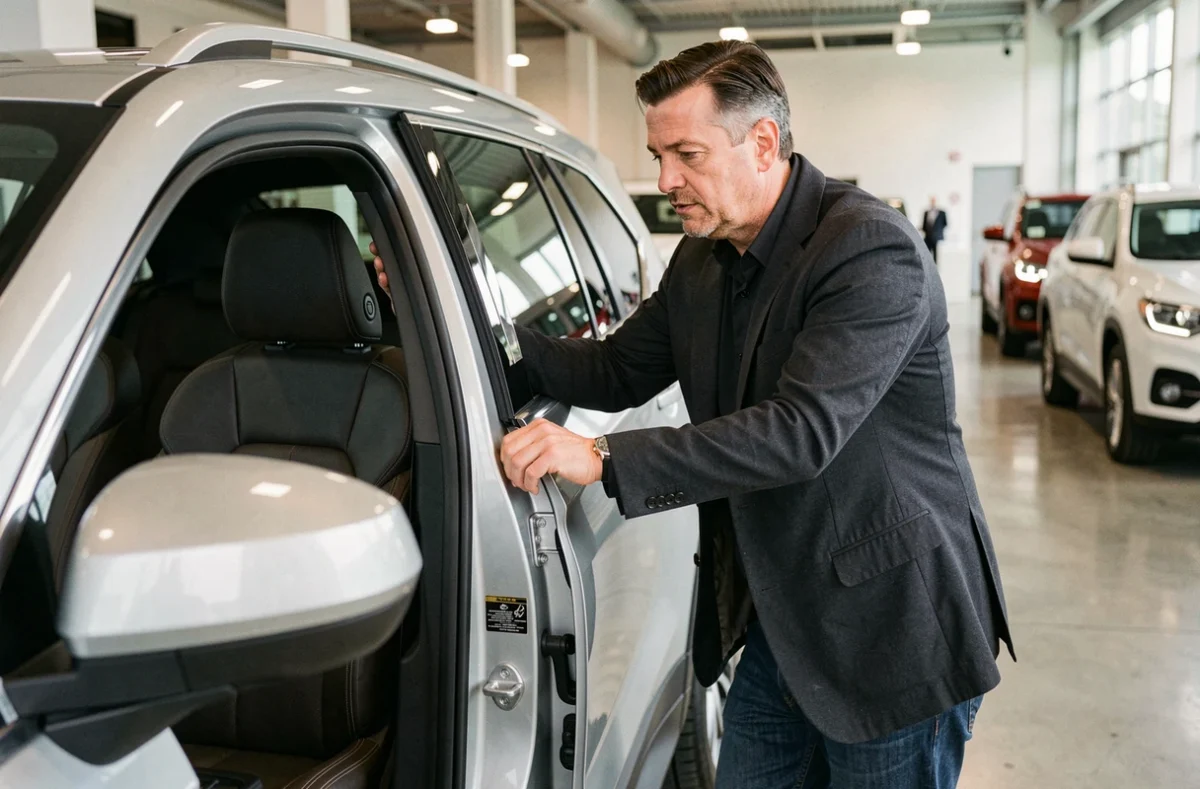
In the used car market, electric and plug-in hybrid vehicles require a specific battery inspection. Used Tesla Model S and Model X, for example, have a known defect in the rear motor’s oil seal, which can allow coolant to damage the inverter. Between dealership replacement and alternative solutions, the buyer must factor this risk into their budget.
- Always check the history of software updates and manufacturer recalls before a used purchase
- Have an independent battery diagnostic performed, especially on models over three years old
- Prefer vehicles whose batteries were produced on a recent line, as early series are more exposed to youth defects
Public Aids and List Prices: A Dependency That Weakens the Automotive Transition
The current trajectory relies on a fragile assumption: that public aids will last long enough for production prices to naturally decrease. In practice, manufacturers have no incentive to lower their prices as long as the aids compensate for the gap. The end consumer pays a subsidized price that masks the industrial reality.
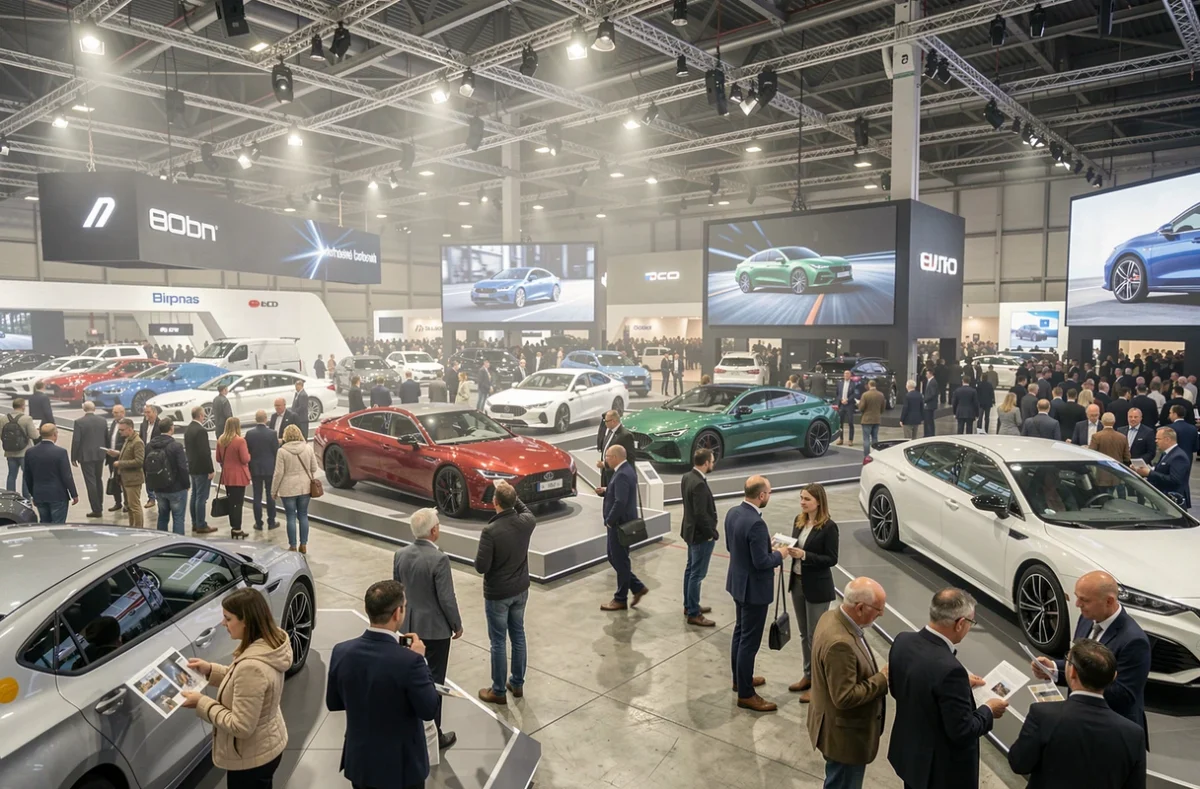
The Paris Motor Show remains the showcase where these contradictions are displayed. Spectacular concepts coexist with pricing grids that only public aid makes accessible. Alpine, Tesla, or Dacia present models whose commercial viability directly depends on the regulatory framework in place at the time of delivery.
The automotive transition is progressing, but its pace is dictated as much by government budgetary decisions as by technological advancements. A hasty withdrawal of aids would lead to a collapse in electric sales, not because the technology disappoints, but because the real price remains too high for the mass market.