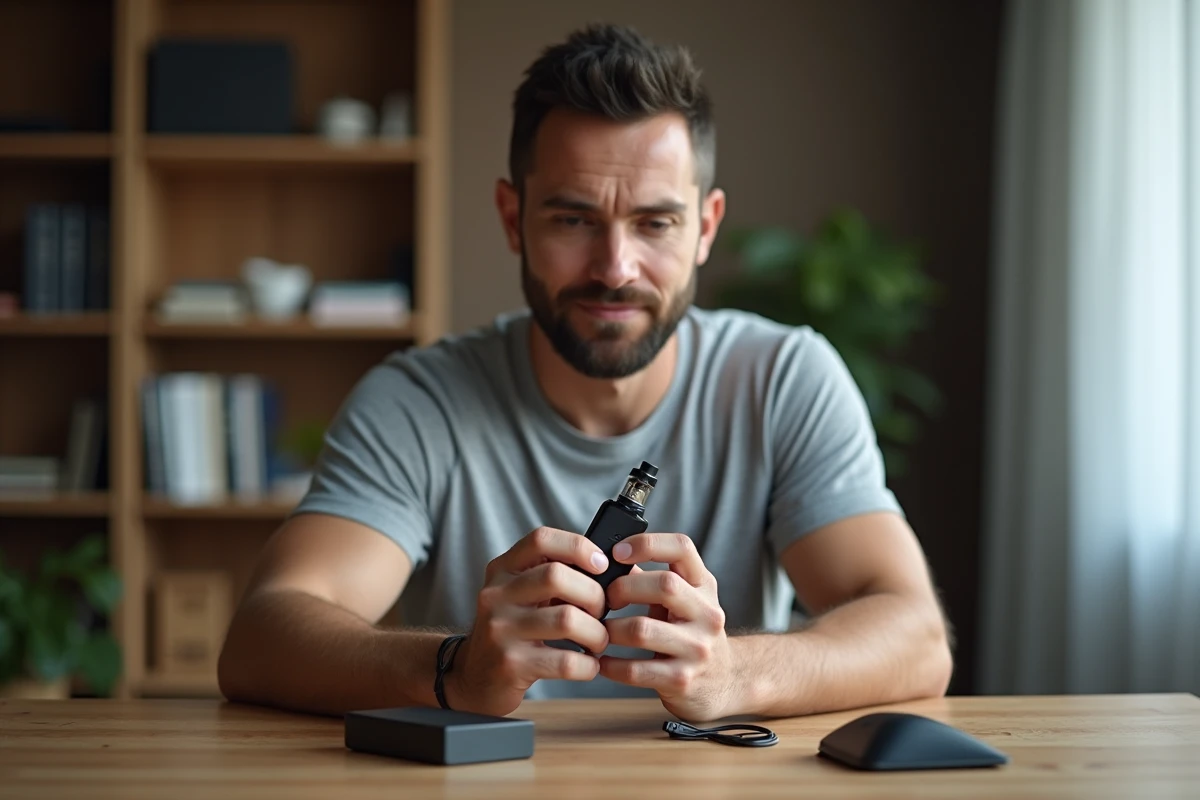
A rechargeable electronic cigarette is a device made up of a battery, a refillable tank, and a heating coil that vaporizes e-liquid. Unlike disposable models, it allows for the replacement of each component separately, which alters both the cost of use and the quality of the vape over time.
Resistance and type of inhalation: the first technical criterion to master
Before looking at the shape or brand of a rechargeable electronic cigarette, the parameter that conditions the entire experience is the resistance value, expressed in ohms (Ω). This number determines the type of inhalation possible and, by extension, the appropriate nicotine level.
A resistance greater than 1 ohm produces a vape with indirect inhalation (MTL), comparable to the action of a traditional cigarette smoker. The draw is tight, the vapor is moderate, and nicotine levels can be high. This vaping mode operates at low power, typically below 20 watts.
A resistance of less than 1 ohm (known as “sub-ohm”) opens the door to direct inhalation (DL). The vapor is abundant, the draw is very airy, and the nicotine level must remain low to avoid a harsh throat hit. The power then significantly rises above 40 watts.
In between, the restricted direct draw (RDL) combines a moderate airflow and intermediate vapor production. Those who find MTL too tight and DL too open often turn to this option, which is compatible with medium nicotine levels.
Choosing your resistance is therefore about choosing your sensation. Testing several values remains the most reliable method to find the setting that corresponds to one’s habits, as a former heavy smoker and an occasional smoker will not seek the same experience.
Rechargeable pod, tube kit, or box: which electronic cigarette format to choose
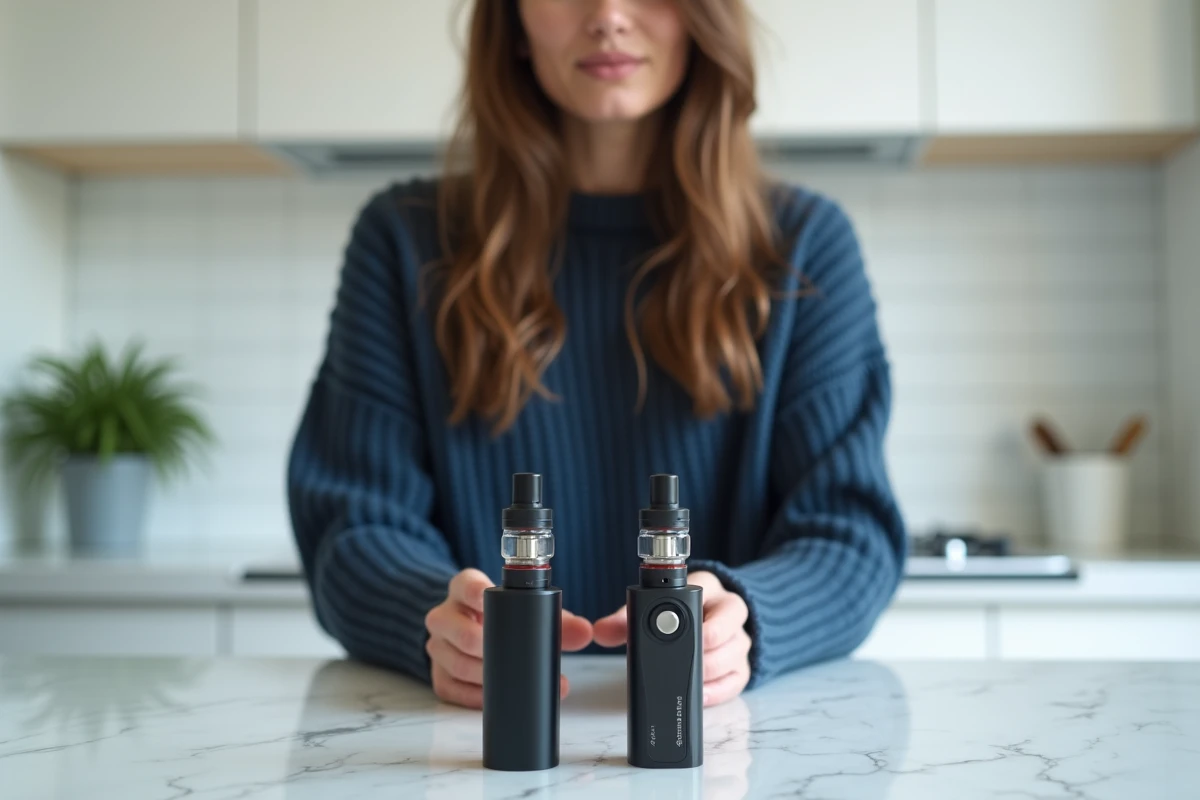
The market offers three main families of formats, each suited to different usage and levels of involvement. The choice between a pod, a tube kit, and a box is not about quality, but about compatibility with the daily life of the vaper.
The rechargeable pod is the most compact format. It works with refillable or pre-filled cartridges and offers limited autonomy, suitable for occasional use or low vaping volume. Its simplicity makes it an accessible entry point for transitioning smokers.
Some brands offer specific ranges, and those looking for propylene glycol-free e-liquid on Mister Free Free will find references compatible with these pod systems.
The tube kit, cylindrical in shape, features a more generous battery and a larger capacity tank. It is suitable for regular vapers who do not want to recharge multiple times a day. The adjustment often limits to a single button, simplifying use.
The box offers the most flexibility. It allows for precise wattage adjustments, changing the resistance, and sometimes even controlling the temperature. This format is aimed at vapers who want to customize their experience or who vape intensively.
- Rechargeable pod: compact, low autonomy, ideal for light use or a first electronic cigarette.
- Tube kit: intermediate autonomy, single button, a good compromise for daily use without complex adjustments.
- Box: adjustable power, large autonomy, suited for experienced users or heavy vapers.
Battery life and tank capacity: two related constraints
The autonomy of a rechargeable electronic cigarette depends on two elements that work in tandem: the battery capacity (in mAh) and the tank volume (in ml). Increasing the power reduces autonomy, even with a large battery, because the resistance consumes more energy and vaporizes the liquid faster.
A low-power MTL vaper can last an entire day with a modest capacity battery. A high-power DL vaper will drain the same battery in a few hours. The tank follows the same logic: with direct inhalation, liquid consumption is significantly higher.
Before purchasing, it is therefore necessary to estimate one’s daily vape volume and cross-reference it with the desired power. A pod with a small battery will not be suitable for someone who regularly vapes sub-ohm, while a large box will be cumbersome for someone who takes a few puffs per hour.
Composition of e-liquid: what the choice of equipment imposes
The format of the electronic cigarette also determines the type of e-liquid that can be used. A rechargeable pod generally works with liquids that have a balanced or propylene glycol-rich PG/VG ratio, as its low-power resistances struggle to vaporize a liquid that is too thick.
Conversely, a sub-ohm box requires liquids rich in vegetable glycerin (VG), which produce more vapor and withstand high temperatures without generating unpleasant dry hits.
- MTL pods and kits: liquids with a PG rate equal to or greater than VG, nicotine possible up to the maximum allowed.
- DL boxes and kits: liquids rich in VG, low nicotine, dense vapor production.
- Nicotine salts: primarily compatible with pods and low-power resistances, they offer rapid absorption without irritation.
European regulation (TPD directive) currently sets the maximum nicotine concentration at 20 mg/ml and limits nicotine-containing bottles to 10 ml. The European Commission launched in 2024 the preparatory phase for the revision of this directive, with discussions focusing on stricter regulation of large-volume tanks and open systems.
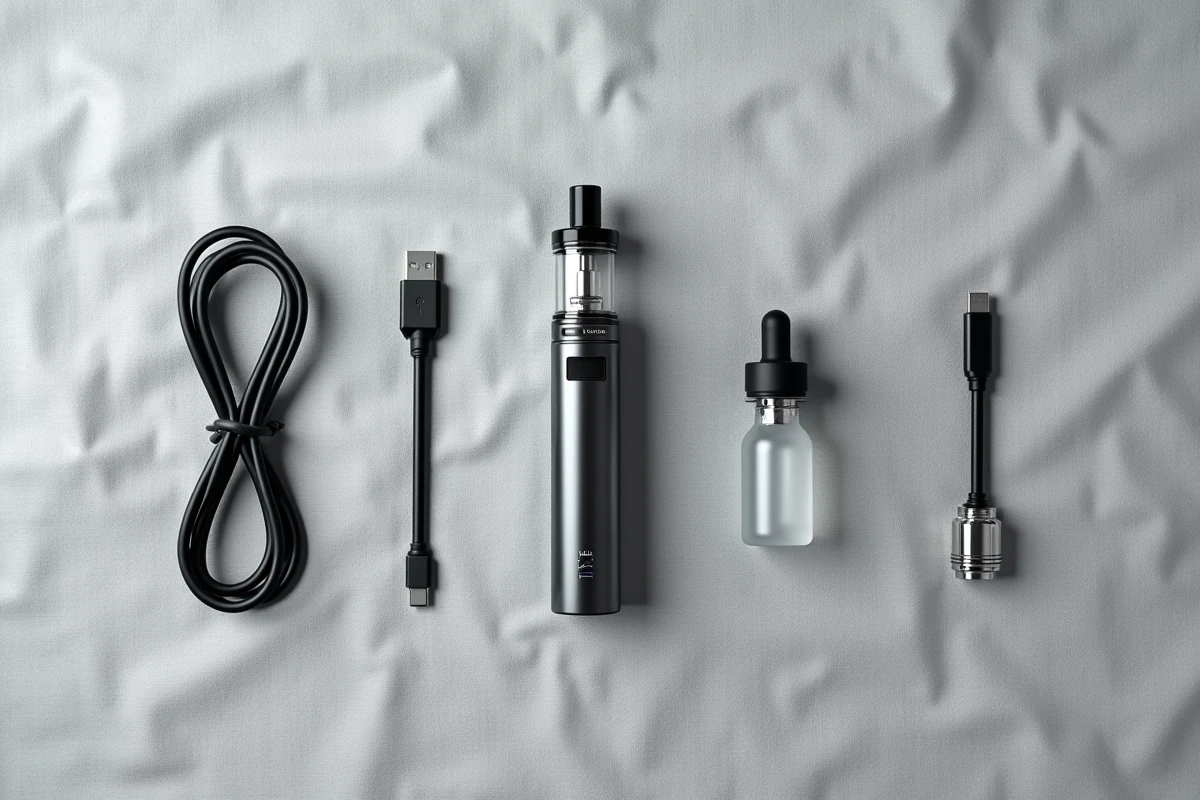
The market for rechargeable electronic cigarettes is refocusing after the wave of disposable puffs. Vapers who take the time to understand the link between resistance, power, and liquid composition avoid most disappointments related to poor equipment-liquid pairing. The best reflex remains to start from one’s smoking profile and actual usage rather than the most impressive technical specifications.